
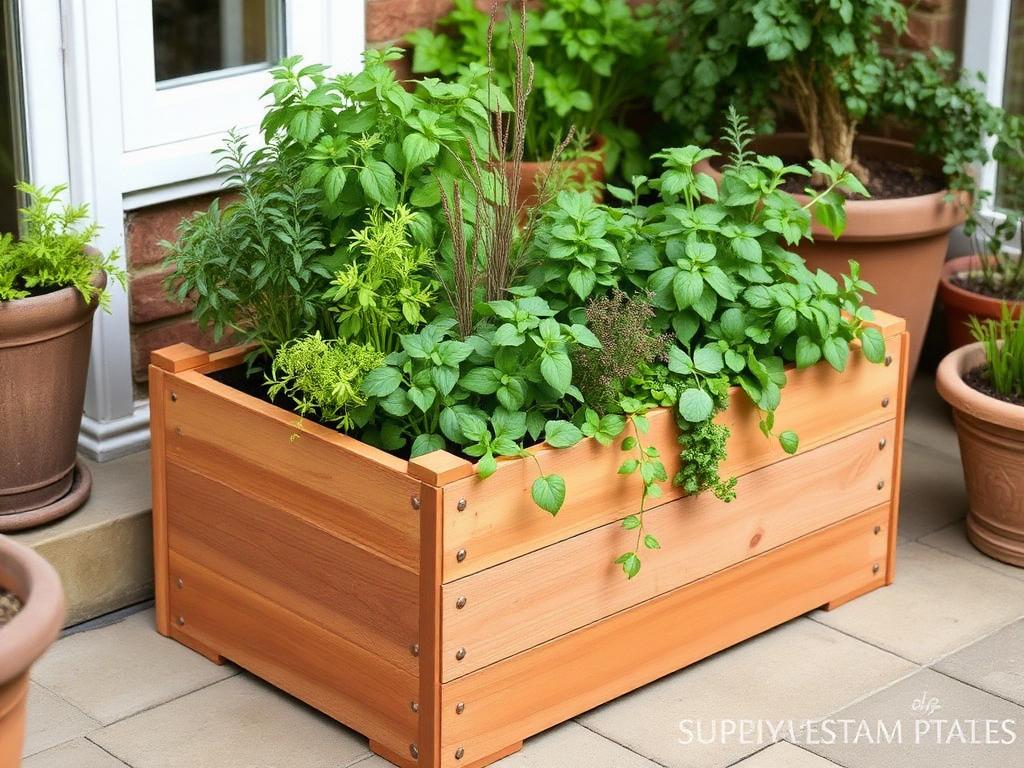
Quick answer: what type of balcony planter should you choose?
Choose a hanging balcony planter if you want greenery without using floor space — these hook over the railing and work well for trailing flowers and herbs.
Quick comparison
OGIMA Railing Planters Adjustable Railings
Noamus Hanging Railing Planters Detachable
DIVCHI Planters Detachable Flowerpots with Drainage
Garden Pride Hanging Balcony Planter
KINGLAKE Hanging Planters Balcony Detachable
Our picks
OGIMA Railing Planters Adjustable Railings
Why it works. Adjustable brackets fit a wide range of UK balcony railings, so the planter sits level rather than tilting forward. A solid pick if you want one balcony planter for railings that simply works.
What to check before buying. Confirm the bracket range matches your railing width and depth.
Who it suits. Most UK balconies — flats, rented spaces and small terraces where you want a no-drill balcony rail planter.
Noamus Hanging Railing Planters Detachable
Why it works. The detachable design makes it easy to lift planters off in windy weather or for repotting, which suits exposed balconies and renters.
What to check before buying. Whether the hook profile matches your railing shape.
Who it suits. Higher or windier UK balconies, and renters who want to move plants without leaving marks.
DIVCHI Planters Detachable Flowerpots with Drainage
Why it works. Built-in drainage helps roots stay healthy through rainy UK weeks, which is one of the most common balcony planter failures.
What to check before buying. Whether you need a saucer or drip tray for the balcony below.
Who it suits. Balconies above neighbours where dripping water is a concern, and anyone growing herbs or salad.
Garden Pride Hanging Balcony Planter
Why it works. A classic, neat hanging balcony planter shape that suits flats and traditional UK railings without looking bulky.
What to check before buying. Overall dimensions against your railing height clearance.
Who it suits. Owners who want a tidy, traditional balcony flower box look.
KINGLAKE Hanging Planters Balcony Detachable
Why it works. An affordable way to add several balcony rail planters at once, useful when you're testing what grows well on your balcony.
What to check before buying. Recent reviews on bracket strength for your railing type.
Who it suits. First-time balcony gardeners on a budget.
More quick guidance
Choose a detachable railing planter if you need renter-friendly installation that can be lifted off without tools or marks.
Choose balcony planter boxes if you want more planting depth for herbs, strawberries or small annuals, but check the railing is strong enough to take the weight.
Check railing size, drainage and wind exposure before buying — a planter that fits poorly will tilt, spill or blow loose.
Avoid heavy planters on narrow or weak railings — the weight of wet soil and compost can easily exceed what a slim balcony rail was designed to carry.
Balcony planters for wide railings: quick answer
Wide railings need careful measuring before buying any balcony planters for railings. Not every balcony rail planter fits wide or thick railings, and many fixed hook designs only suit narrow rails.
If your balcony has a wide railing, look for adjustable brackets rather than fixed narrow hooks — they usually grip more securely and sit level. Renters should prefer no-drill balcony planters where possible, since screwed brackets rarely get a landlord's approval on exposed rails.
If the railing is too wide or unsuitable for a hook-over balcony railing planter, switch to a freestanding planter or a raised planter on the floor instead. Finally, check wind exposure, drainage and the full planter weight after watering before choosing.
Balcony rail planter, railing planter or planter box: what is the difference?
A balcony rail planter usually sits over or hooks onto a balcony rail, with a narrow profile designed to fit standard UK railing widths. These are the most common type of balcony railing planter and work well for flowers, herbs and trailing plants.
Railing planters are broader and may include hooks, brackets or detachable fittings that clamp around the rail. They are often more stable than simple hook-over styles and are easier to remove for cleaning or winter storage.
Balcony planter boxes are usually longer and deeper, giving more root space for herbs and small vegetables. They may need more support — brackets, screws or a stronger railing — and are typically heavier when full of soil and water.
Hanging balcony planters save floor space by sitting on the railing itself, making them ideal for very small balconies where every centimetre counts.
Renters should prefer no-drill or removable options. Look for balcony rail planters and railing planters that clamp or hook without screws so you can remove them easily when moving out.
What to measure before buying a balcony railing planter
Railing width — balcony planters for wide railing need a bracket range that opens wide enough to grip the rail without forcing.
Railing shape — square, round, sloped and flat rails all need different bracket or hook profiles.
Hook or bracket depth — the hook must reach around the rail and still leave the planter sitting level.
Bracket adjustability — adjustable brackets are usually safer than fixed narrow hooks on thick or non-standard rails.
Planter depth — herbs and trailing flowers need less depth than strawberries, salads or compact shrubs.
Planter weight when filled with compost and watered — this can be two to three times the empty weight and is the load your railing must carry.
Walkway clearance — make sure the planter does not block the balcony door, path or seating area.
Whether the planter needs drilling or screws — no-drill balcony planters are usually the better choice for renters and can be removed without marks.
Whether it is suitable for a rented flat — check your tenancy agreement and building rules before fixing anything semi-permanent.
If your railing is too wide
If your balcony railing is too wide for a hook-over balcony railing planter, a freestanding planter on the balcony floor is usually the safest next step. It avoids loading the rail and can be moved when you need the space.
On a patio or larger balcony, a raised planter gives you more depth and better drainage than most rail planters. See our guide to the best raised planters for patios UK for compact options.
Hanging planters only work when the hooks fit securely — never force a narrow hook onto a wide railing. A loose planter is a safety risk in wind and can damage the rail finish.
For a complete renter-friendly setup, pair floor planters with compact garden tools for small spaces, store pots and accessories in a small garden storage box, and add privacy with balcony privacy screens. Our balcony garden ideas for renters and how to make a balcony private without drilling guides cover the rest of the layout.
Best plants for small balcony planters
Herbs — basil, parsley, mint, chives and thyme grow well in small balcony railing planters and are useful for cooking.
Trailing flowers — petunias, lobelia and bacopa spill over the edges and add colour without needing deep root space.
Compact annuals — marigolds, pansies and busy Lizzies fill a balcony rail planter with bright blooms through the summer.
Strawberries — alpine and trailing varieties fruit well in shallow balcony planters if they get enough sun.
Small grasses — ornamental grasses like carex or festuca add texture and movement without heavy soil demands.
Trailing ivy-style plants — trailing pothos or ivy look good in hanging balcony planters and tolerate some shade.
Avoid large shrubs in small railing planters — roses, lavender bushes and fruit shrubs need more root depth and weight than most balcony rail planters can support.
Choose plants based on sun, shade and watering needs — a south-facing balcony in full sun needs different plants than a shaded north-facing one.
Common mistakes with balcony railing planters
Not measuring the railing first — a balcony planter that is too narrow or wide will sit at an angle or slip off.
Choosing a planter that is too heavy when filled with wet compost and water, especially on a narrow balcony rail.
Forgetting drainage — sealed balcony planter boxes quickly waterlog in UK rain.
Using indoor-only planters outdoors — plastic fades, terracotta cracks and metal rusts when exposed to weather.
Placing planters where wind is strongest — the outer edge of a high balcony can gust unexpectedly.
Blocking balcony doors — overhanging foliage or a deep planter box can stop a door opening fully.
Overfilling a tiny balcony — too many pots leave no space to sit, move or store anything.
Choosing plants that need too much root depth for a small balcony rail planter — save deep-rooted plants for raised planters or patio pots.
Using permanent fixings in a rental property — brackets screwed into a rented balcony rail may cost you your deposit.
Check before buying
- Measure your railing width and depth first — balcony rail planters fit a specific range, often 5–10cm.
- Check whether brackets are adjustable so the planter can sit level on a sloped or square railing.
- Look for drainage holes or removable inner pots so roots don't sit in water after UK rain.
- Consider total weight after watering — compost plus water can easily double the loaded weight.
- Avoid drilling if you're renting unless your landlord has confirmed it's allowed — no-drill balcony planters are the safer default.
- Think about wind exposure on higher balconies — detachable planters are easier to bring in during storms.
- Use lightweight peat-free compost where appropriate to reduce load on the railing.
- Check whether the bracket edges could mark or scratch a painted or powder-coated railing.
- Match plant depth to the planter — herbs and trailing flowers cope with shallow planters, root vegetables don't.
- Never overload balcony railings or hang heavy planters on the outside if your building rules forbid it.
- Check tenancy and building rules before fitting anything semi-permanent.
Common mistakes
- Buying a railing planter without measuring the rail width first.
- Choosing a planter that's too heavy once full of wet soil.
- Hanging heavy ceramic pots on the outside of a balcony in a windy spot.
- Skipping drainage and ending up with waterlogged roots after a wet UK week.
- Using indoor-only planters outdoors and watching them crack or fade.
- Overloading a single railing section with multiple full planters.
- Placing planters where wind funnels hardest, or where they block a balcony door.
- Overfilling a tiny balcony so there's no room left to actually sit.
- Choosing plants that need more root depth than a rail planter can offer.
- Drilling brackets or using permanent fixings on a rented balcony without permission.
Final recommendation
If you're unsure, the OGIMA Railing Planters with adjustable brackets are a sensible default for most UK balconies — they fit a wide range of railing sizes, sit level and work for flowers or herbs without drilling. Pair them with balcony garden ideas for renters and, if the space feels overlooked, a no-drill balcony privacy option.
Frequently asked questions
What are the best balcony planters for wide railings?
For wide railings, the best balcony planters are lightweight rail planters with adjustable brackets that can grip a thicker rail without forcing. Avoid fixed narrow hooks — they rarely sit level on a wide balcony rail planter. Look for drainage holes, no-drill fitting and a loaded weight you know the railing can carry.
How do I know if a balcony planter will fit my railing?
Measure the railing width and shape, then compare them to the bracket or hook range. Check the hook depth, bracket adjustability, planter depth, and the planter weight when filled with compost and watered. Leave enough walkway clearance and confirm whether the fixing method suits your rental agreement.
Can I use a balcony rail planter without drilling?
Yes. Most balcony rail planters use adjustable brackets or hooks that clamp over the railing without screws, so they work as no-drill balcony planters. Always check your tenancy agreement and building rules before fitting anything.
What should I do if my balcony railing is too wide?
If your balcony railing is too wide, switch to a freestanding planter on the balcony floor or a raised planter if you have the space. Hanging or hook-over planters only work when the hooks fit securely. For deeper, floor-based options, see our best raised planters for patios UK guide.
Are balcony railing planters safe in windy weather?
Balcony railing planters can be safe in wind if they fit the railing properly, are not overloaded, and sit on the inside of the rail where possible. Detachable planters can be lifted off before a storm. Keep loads sensible, choose low-profile plants on exposed balconies, and avoid hanging heavy pots on the outside of the rail.
Can I use railing planters on a rented balcony?
Yes — most balcony rail planters clamp or hook over the railing without drilling, which makes them well suited to UK rented balconies. Check your tenancy agreement, avoid permanent fixings, and don't hang heavy pots on the outside if building rules forbid it. For more no-drill ideas see our balcony garden ideas for renters guide.
What plants grow well in balcony railing planters?
Herbs like basil, mint, chives and parsley, salad leaves, strawberries, trailing flowers such as petunias and lobelia, compact annuals and small ornamental grasses all do well in UK balcony rail planters. Avoid large shrubs and anything that needs deep roots.
Are balcony planter boxes safe for railings?
Balcony planter boxes can be safe on railings if the railing is strong, the brackets fit correctly and the loaded weight is within sensible limits. Long, deep boxes hold more soil and water than short rail planters, so they add up quickly — measure, check building rules and don't overload a single section.
Do balcony planters need drainage holes?
Yes. Look for drainage holes or removable inner pots, and avoid sealed planters unless you're happy to manage watering very carefully. On balconies above neighbours, use a drip tray or position planters so water doesn't drip onto the flat below.
Related guides
Editor's note: Small Garden Guide UK does not personally test every product. Picks are based on publicly available product information, suitability for small UK outdoor spaces and editorial judgment.